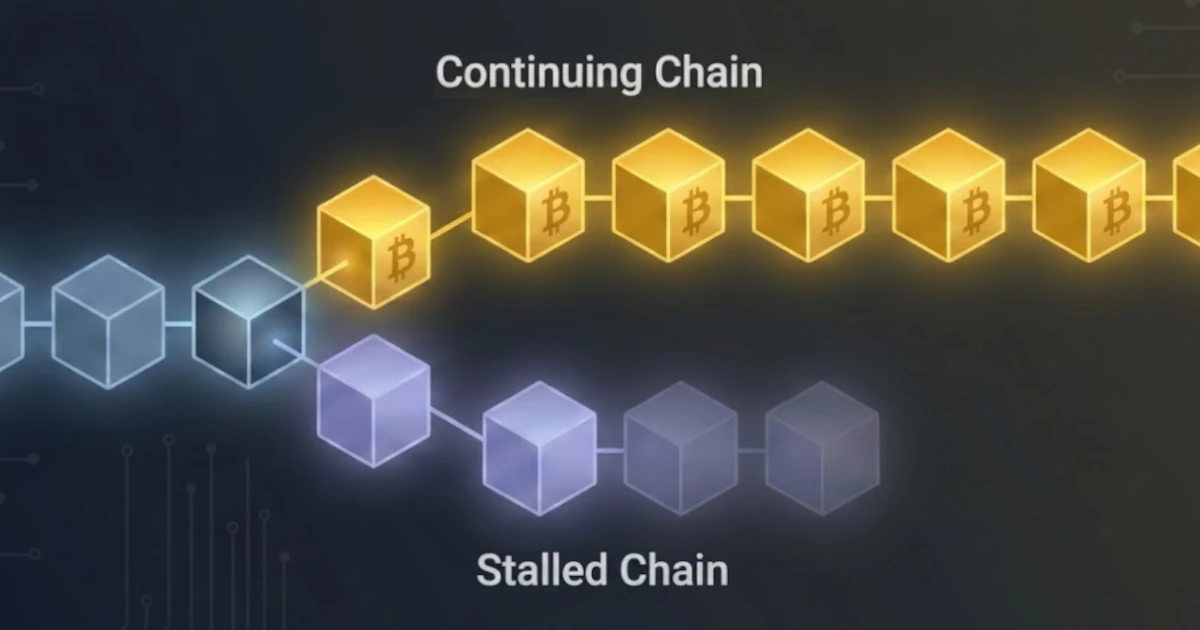
Hedera’s native HBAR token fell more than 2% after blockchain security researchers reported that an alleged exploit moved more than 5.8 million assets from the Hedera network to Ethereum.
Summary
- The alleged Hedera exploit has moved more than 5.8 million assets to Ethereum, according to blockchain security researchers.
- Specter and PeckShield said the attacker pooled funds with LayerZero before exchanging WBTC for ETH.
- HBAR fell more than 2%, trading near $0.069 as the reported manipulation took place.
According to blockchain security researcher Specter, the alleged attacker had already transferred more than 3.7 million assets from Hedera to Ethereum before moving on to transfer more funds.
Specter said the stolen assets were being converted from WBTC to Ether (ETH) after cross-chaining with LayerZero. The researcher also published two wallet addresses believed to be related to the incident.
At the time of writing, CryptoBull360 reported that the estimated value of the wallet has increased to about $5.8 million, indicating that many assets have reached Ethereum after the first transfer. Shared wallet data showed a holding of 3,203 ETH, representing about 80% of the portfolio, and 20% in WBTC.
According to data from crypto.news, the price of Hedera (HBAR) traded at around $0.069, down more than 2% following reports of suspected exploitation.
Cross-chain transmission continued after the initial breach
As more transactions appeared on the chain, blockchain security firm PeckShield said the alleged exploit had transferred around $5.25 million from the Hedera mainnet to Ethereum. The company added that the wallet held about 2,360 ETH, worth about $4.25 million, and 15,58 WBTC, worth about $1 million, at the time of its analysis.
PeckShield also reported that the fund was initially funded with 1 ETH from Tornado Cash, citing the history of on-chain transactions. The alert identifies the source of the fund’s initial funding but does not confirm who controls the address or who carried out the alleged attack.
Screenshots of the wallet shared by Specter and PeckShield showed a series of internal transfers occurring within a short period of time before assets were converted to ETH.
The investigation is ongoing as official information is limited
Neither Specter nor PeckShield has identified the party involved in the alleged exploit, and no official estimate of the total loss has been released at the time of writing. The reported amount of stolen goods continued to fluctuate as more money was seen moving through the wallet.
This phenomenon is still evolving, and blockchain security researchers continue to monitor addresses and publish updates as new transactions appear on the chain. Meanwhile, market participants are looking for an official statement from the Hedera team about the reported exploit and any measures taken to contain its impact.
The Hedera incident comes amid a series of security-related developments reported by crypto.news in recent weeks. Blockaid recently discovered an active exploit targeting Summer.fi, estimating a loss of around $6 million during the warning period.
Separately, Ctrl Wallet has announced that it will be closed permanently after a security breach affecting other Cardano wallets, giving users until Aug. 3 to withdraw their goods. Meanwhile, crypto.news also reported that the Secret Network proposed migrating SCRT from Cosmos to Arbitrum, with the team citing security risks, weak funding, and an aging codebase in its July 7 governance proposal.