
The 2026 Gadget Guide: Ten Products Actually Worth Buying
Gadget fatigue is real. Every year the industry announces hundreds of products, and every year maybe ten percent of them earn a place in a normal person’s life. This guide is not a rumor roundup or a press-release recap — it’s a buying plan built on the only test that matters: will this thing still be useful to you a year from now?
The Buying Framework: Check These Before Any Purchase
- Repairability: can the battery be replaced? Score from iFixit-style teardowns beats marketing claims every time.
- Software commitment: how long does the manufacturer promise security updates? A gadget is only as good as its update promise.
- One-year test: will this look smart, or dated, in 12 months? Buy the boring version of things you use daily.
- Ecosystem lock-in: every proprietary cable, app, or cloud is a future subscription. Prefer open standards — USB-C isn’t a feature, it’s the law now.
The 10 Categories Worth Your Money
1. A Phone That Makes You Look, Not Scroll
The 2026 phone race is about camera processing, battery chemistry, and update length — not “AI” gimmicks on the lock screen. Buy the best camera + battery + 5-year update promise you can afford, skip the 1TB storage tier, and keep the phone for three years instead of eighteen months.
2. OLED Television
If you watch content in a dim room, an OLED TV is the single biggest picture upgrade available — perfect blacks, no blooming on subtitles, and now genuinely affordable at mid sizes. Buy an OLED at 55-inch class or larger, confirm HDR support for your streaming library, and ignore “mini-LED vs OLED” debates below the flagship tier.
3. Wireless Earbuds With a Battery You Can Replace
Earbuds die by battery, not sound. In 2026 the smart pick is a pair with replaceable battery service or a two-year warranty, multipoint Bluetooth to two devices, and physical touch controls instead of an app-dependent interface. Noise cancelling is now table stakes; do not pay double for “premium” tuning you will never hear.
4. A Mechanical Keyboard (For the Right Person)
For people who type for a living, a quality mechanical keyboard with hot-swappable switches is a genuine ergonomic upgrade. For everyone else, it’s a hobby. Be honest about which camp you’re in before buying, and buy a standard layout over a gamer-branded one if you share your desk with work.
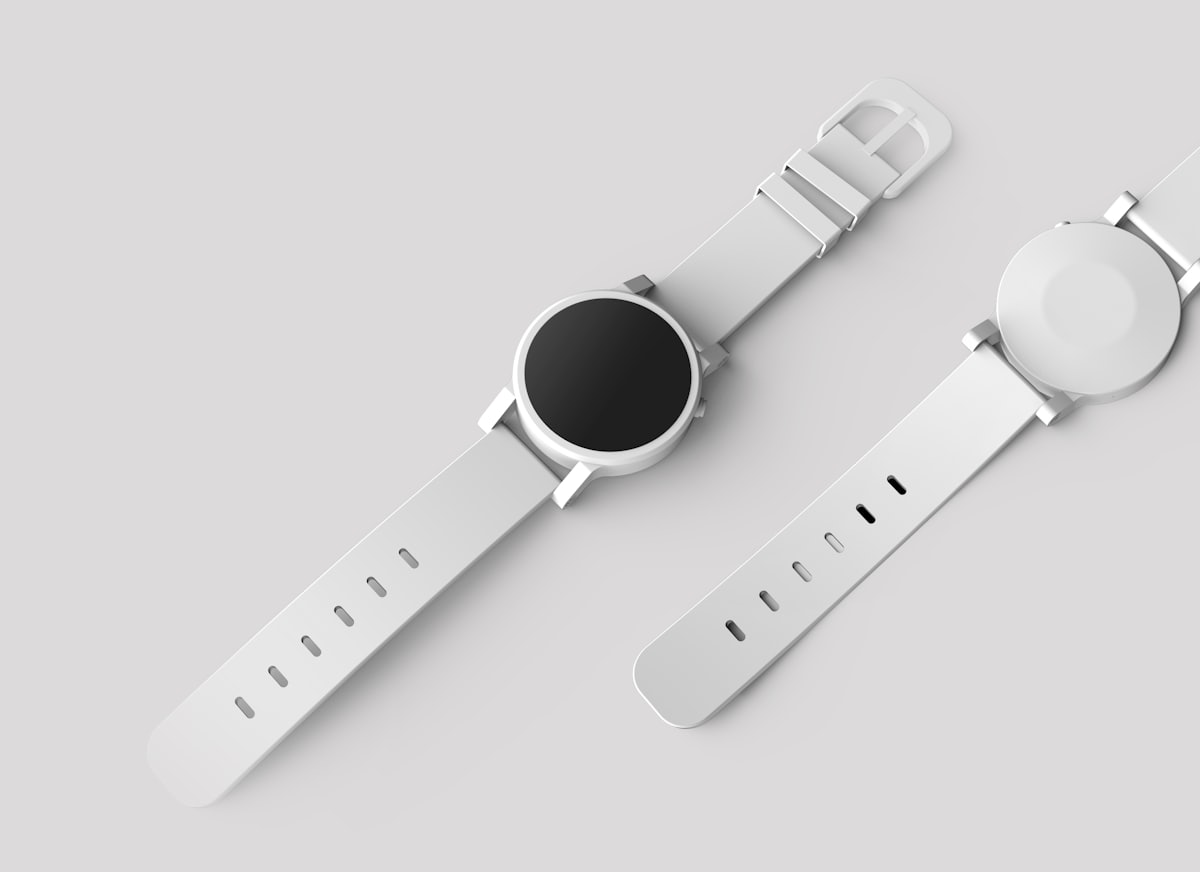
5. Smartwatch: The Health Tracker, Not the Toy
Wearables are at their most useful when they measure quietly: heart-rate trends, sleep consistency, recovery signals. The 2026 test is battery life and open data, not watch faces. If you don’t wear it after the first month, it wasn’t a gadget problem — read our productivity apps guide for the software side of that problem.
6. A Real Mechanical Drive for Backups
The least glamorous, most important gadget on this list: a two-terabyte external SSD or a network storage box for offline backups. Data loss is not a lottery ticket — it’s a schedule. Automate a weekly backup and verify the restore once a quarter. Combine it with the home cybersecurity check so your backups are encrypted and off-site.
7. USB-C Monitors (Go 4K, Go 27+)
One cable for power, video, and a hub simplifies any desk. For knowledge workers the upgrade from 1080p to 1440p/4K at 27” class is the biggest human-comfort upgrade per dollar in tech. Extra refresh-rate tiers above 144Hz rarely matter unless you game competitively.
8. Smart Home: Matter-Only Devices
Smart home finally has an agreement: the Matter standard. Buy only devices labeled Matter (or Thread), check that they don’t require a subscription, and skip everything that needs a per-brand cloud account to function. Automation should be boring, local, and work while the internet is down.
9. Sleep/Fitness Hardware With No Subscription Trap
Scales, rings and sleep trackers are captivating but subscription-bound. The 2026 rule: devices, once, data, local. If the company needs a monthly fee to keep your measurements working, it’s a service, not a gadget — and you can get the same data from a $50 scale and native phone health app.
10. One Great Bag (Backpack/EDC)
The practical decade-long winner: a bag with a proper laptop compartment, weatherproof fabric, and no brand logos louder than your work. A great bag survives every gadget upgrade, and in the end, the goods need a home — pair it with our workflow roundup for the portable office setup that actually gets used.

What NOT to Buy This Year
- Anything “AI” in the name unless the AI does a specific task you can name. A robot vacuum with “AI navigation” is a vacuum; buy the vacuum, not the chip.
- The 2026 flagship of a phone you’ll use for calls and maps — mid-range phones now keep the 3-day battery crown.
- Any gadget that needs its own subscription to stay unlocked. Hardware subscriptions are the worst trade in the industry.
- Leapfrog upgrades: if your device still does its one job, the upgrade is a want, not a need.
Budget Guide
A disciplined 2026 buyer can exit the year with: 27-inch monitors (work), OLED TV (home), earbuds with warranty (pocket), SSD backup (peace of mind) and one good bag — for less than the price of one flagship phone. The market has never been better for people who refuse to pay flagship prices for flagship habits.
Before You Buy: The Security Check
Every new gadget is a new attack surface. When any device joins your network, run it through the basics: unique password, latest firmware, and no universal port forwarding. Our complete home cybersecurity check turns that advice into a 24-step checklist you can do in one evening.
Disclaimer: Tech Sparking writes honest, sourced guides. We never recommend a product we haven’t vetted for update support and real-world usability.
Frequently Asked Questions
What gadgets are actually worth buying in 2026?
An OLED or mini-LED TV, a battery-first phone, earbuds with a battery warranty, a backup SSD, a USB-C 4K monitor, Matter smart-home devices and one great bag.
Should I buy gadgets with “AI” in the name?
Only if the AI does one specific task you can name. Otherwise the plain version is cheaper and more reliable.
What is the cheapest way to avoid buying bad gadgets?
Check three things first for everything: repairability, how many years of software update, and whether it requires a subscription.