
OLED vs Mini-LED vs QLED in 2026: Which TV Should You Actually Buy?
Every TV box in 2026 is either “OLED,” “Neo,” “Mini-LED,” or “QLED,” and the marketing is doing its best to make a physics lesson sound like a phone plan. Here is the honest, no-jargon version: the three labels describe different ways of lighting a screen, they behave differently in a dark room versus a bright one, and most shoppers can decide in about three minutes. This guide walks the three technologies, the checks that matter, and the traps to skip — part of our 2026 gadget buying guide series.
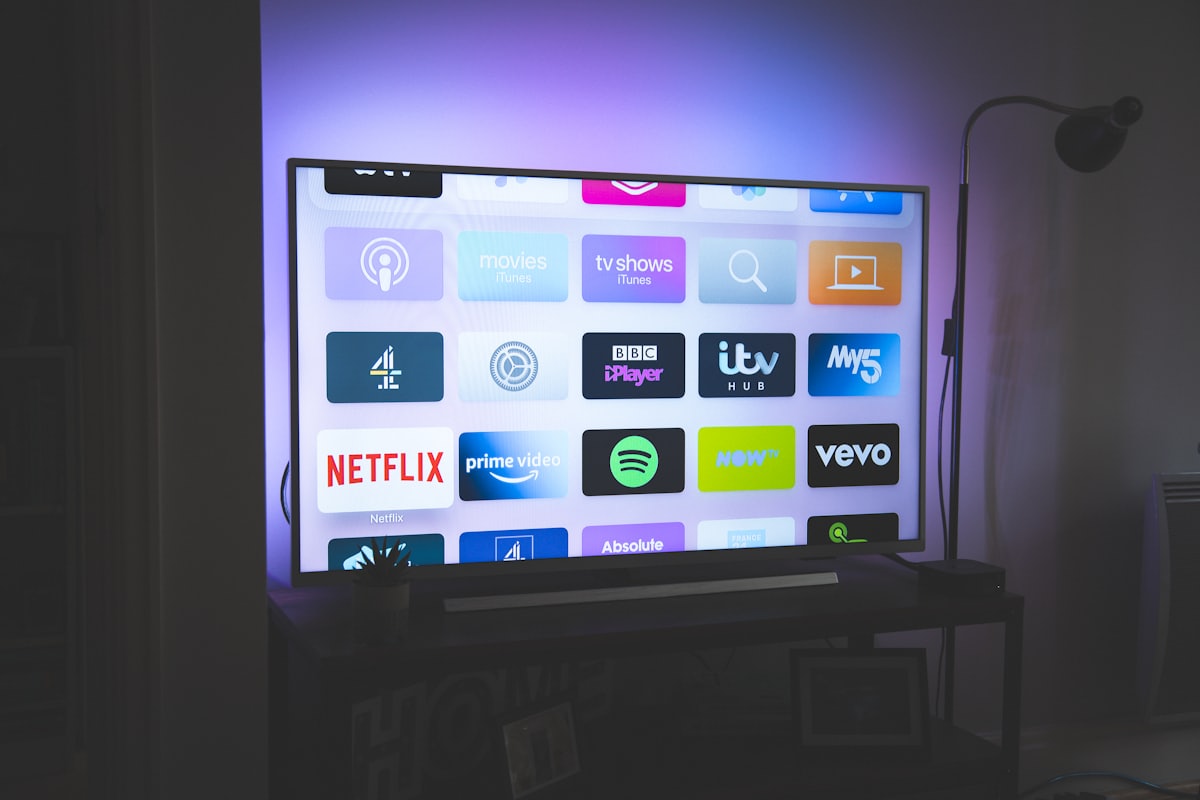
The Three Ways Screens Light Up
QLED is a high-brightness LCD with a color-quantum-dot layer. It is cheap to make bright, keeps blacks gray (the backlight always leaks a little), and thrives in bright rooms.
Mini-LED is the same LCD idea but with hundreds-to-thousands of tiny dimming zones behind it. It gets much closer to OLED blacks while keeping LCD brightness — the 2026 “best of both” tier at 55-inch and above.
OLED turns every pixel off individually. Perfect blacks, infinite contrast, instant response — and in the past it surrendered brightness and risked burn-in. In 2026 the burn-in risk on modern panels is genuinely small for normal mixed viewing; brightness is no longer a handicap for well-lit rooms at day.
The Viewing Environment Test
Answer one question first: what does the room look like when the TV is on?
- Dark walls, evening watching, movies: OLED wins. This is its perfect habitat — the contrast upgrade is visible within ten seconds.
- Sunny living room, daytime viewing, sports: mini-LED (or QLED) wins on peak brightness — no panel can beat a bright backlight in direct sun.
- Mixed: bright days and dark movie nights: mid-to-high tier mini-LED in 2026 nails 90 percent of the OLED look with fewer trade-offs.
The Checks That Actually Matter
- Size beats panel in most rooms: a 65-inch QLED outperforms a 55-inch OLED for immersion when your budget is fixed — bigger is the upgrade most people feel most.
- HDR formats: Dolby Vision and HDR10+ cover the streaming libraries; every 2026 mid-tier supports at least one. HDR10 support is universal.
- For gaming at 120 fps: check for HDMI 2.1 ports with 4K120, VRR and ALLM — on OLED and mini-LED lines that feature is standard above 65-inch tiers.
- Sound: all flat TVs sound thin; plan a soundbar in the same budget dollar. Do not pay $400 extra for “built-in sound.”
- Update promise: three to five years of smart-TV OS updates is the real spec sheet — a TV whose UI dies in 2028 is a paperweight.
Busting the Burn-in Myth (Carefully)
The OLED burn-in fear is 2017-era. Modern panels use pixel-refresh routines, logo dimming and automatic compensation; mixed content viewing — sports with logos, streams, games with static HUDs — is generally safe for realistic ownership periods. It still makes sense to avoid leaving the same news channel on for days at a stretch. If that is your life, mini-LED is the safer bet.
Budget Guide for 2026
- Entry 55-inch: QLED, bright, fine — expect gray blacks at night.
- Sensible 65-inch recommendation: mini-LED, mid-tier, 120 Hz, HDR10+ — the best value per dollar of the decade so far.
- The upgrade splurge: 65-inch OLED the room is dark — the single most visible picture upgrade you can buy.
Three Questions = Your Answer
- Is the room usually dark? → OLED.
- Is it bright with windows? → mini-LED or QLED.
- Mixed? → mid-tier mini-LED, and spend the difference on a soundbar.
For everything else that deserves your money this year — from backup drives to bags — read the full 2026 gadget guide. And if this new TV goes online, run it through the home cybersecurity check so it doesn’t become a stranger on your network.
Frequently Asked Questions
Is OLED better than mini-LED for TV?
In a dark room, yes. In a bright room, high-tier mini-LED holds brightness better. The environment decides the winner.
Do OLED TVs burn out?
Modern panels and their compensation routines make burn-in rare. The risk is highest with a static channel left on for days at a stretch.
What TV size should I buy?
Size is the biggest perceived upgrade. If the budget is tight, go larger at a lower panel tier and send the difference to a soundbar.