Fed Signs Possible Rate Rise As Kevin Warsh Opens ‘New Chapter’ At Central Bank

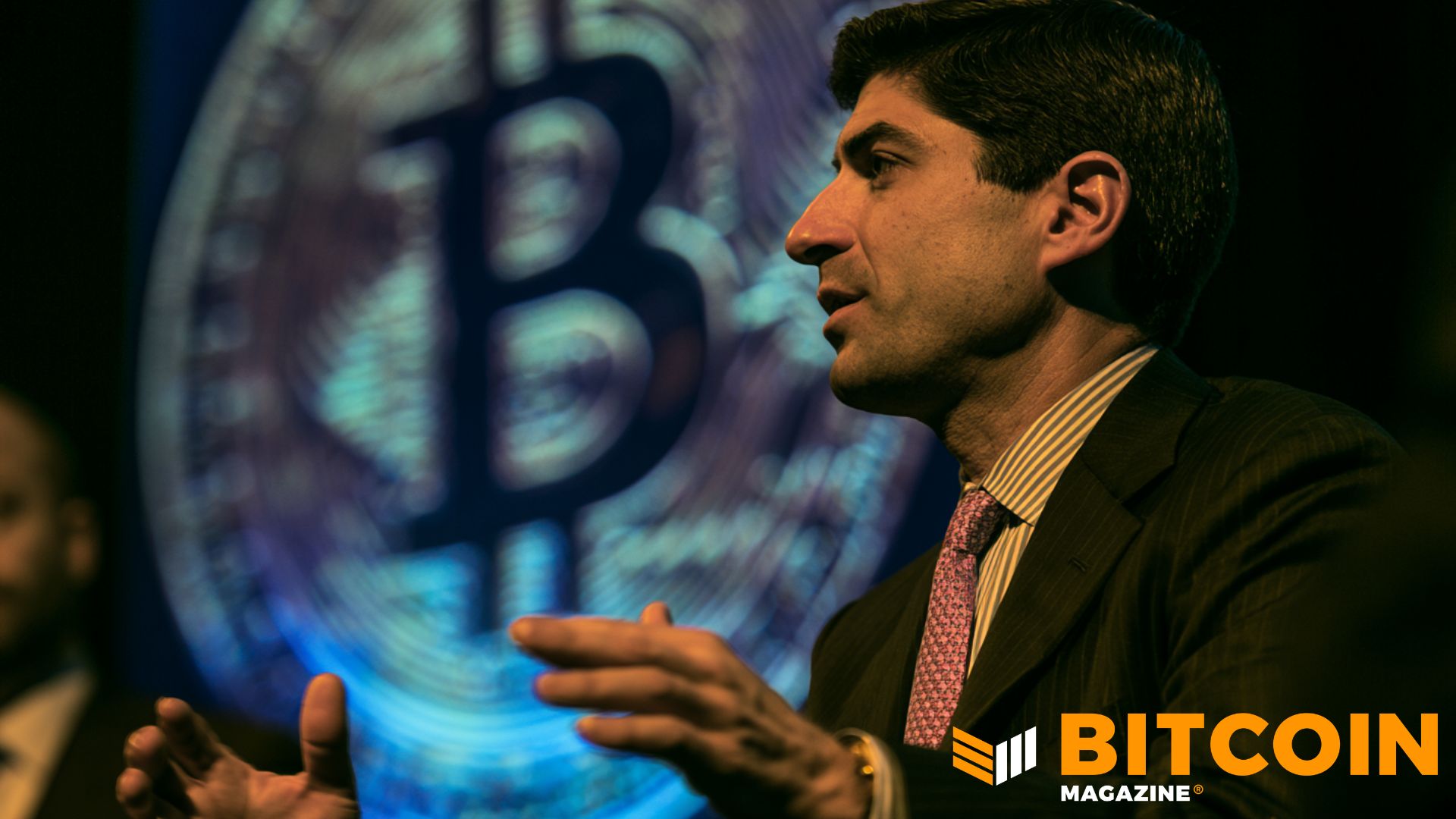
The Federal Reserve held interest rates steady at its June meeting, but signaled a shift to tighter policy under new Chairman Kevin Warsh, marking a sharp departure from expectations of a short-term rate cut.
The Federal Open Market Committee left the federal funds rate unchanged in the range of 3.50% to 3.75%, in line with market consensus. The policy statement and updated projections, however, reflected renewed concerns about rising inflation and a growing willingness among policymakers to raise rates later this year.
Officials now expect the rate to stand at 3.8% by the end of 2026, up from the 3.4% forecast in March. Expectations for 2027 and 2028 have also increased, indicating that restrictive policy may remain in place for longer than previously expected.
The change comes as inflationary pressure continues across the US economy. The Fed now forecasts headline personal consumption expenditure inflation at 3.6% in 2026, and core inflation at 3.3%, both higher than previous estimates.
Policymakers point to supply shocks related to the Middle East conflict and high energy costs as key drivers.
“Economic activity is growing at a solid pace despite heightened uncertainty,” the Fed said in its statement, while reaffirming its commitment to restoring price stability.
The price of Bitcoin fell after the announcement, trading near $64,000.
Kevin Warsh takes over as Fed chairman
The meeting marked Warsh’s first as Fed chairman following his confirmation last month. His arrival seems to have influenced both tone and communication strategy. The post-meeting statement was brief and omitted language that had previously suggested bias toward a downgrade.
All the voting members supported this decision, without opposition for the first time in a year.
The updated estimates showed that nine officials now expect at least one rate hike by the end of the year. In March, no one predicted a 2026 hike.
Futures markets have moved in response, with traders placing prices on a quarterly rise in October and high chances of a second move in early 2027.
Treasury yields rose following the announcement, with the two-year yield rising to around 4.14%. Shares and crypto assets have also responded. Bitcoin fell from near $66,000 to around $64,000 before settling, while the S&P 500 and Nasdaq 100 each fell about 1%, erasing earlier gains.
‘Good family feud’
Warsh used his first press conference to frame the decision as part of a broader shift in the way the Fed approaches policy and communications. He described the meeting as a “good family fight” and emphasized that the central bank is entering a “new chapter.”
He declined to provide forward guidance on the rate path and reiterated doubts about the Fed’s frequent use of projections. Warsh did not post his estimate of the measure, emphasizing his long-standing criticism of the dot structure as a policy tool.
Instead, he pointed to an openness to change in the way the Fed interprets economic data. Warsh noted that many official indicators rely on survey-based methods that may not support real-time conditions. He suggested that other data sources and improved analytics could play a bigger role in future policy decisions.
From an economic perspective, Warsh pointed to mixed signals about how restrictive current policy is. He cited weakness in housing as evidence of a strong financial environment, while noting that broader market forces complicate that assessment.
He also highlighted the growing impact of artificial intelligence on the economy, calling it one of the most important structural changes in decades. The Fed has established a task force to study how AI can affect productivity, employment, and the transmission of monetary policy.
The policy pivot comes amid political pressure on low rates, although Warsh stressed the importance of central bank independence. President Donald Trump has called for easing in recent months, but has also said the Fed should act without the direct influence of the White House.
For markets, the message from the June meeting is clear: The Fed no longer sees a path to an imminent rate cut. With above-target inflation and inflation holding back growth, the risk of continued inflation has returned to the fore.