10 Witcher 3 Features That Quietly Raised the Expectations of Every RPG After Them

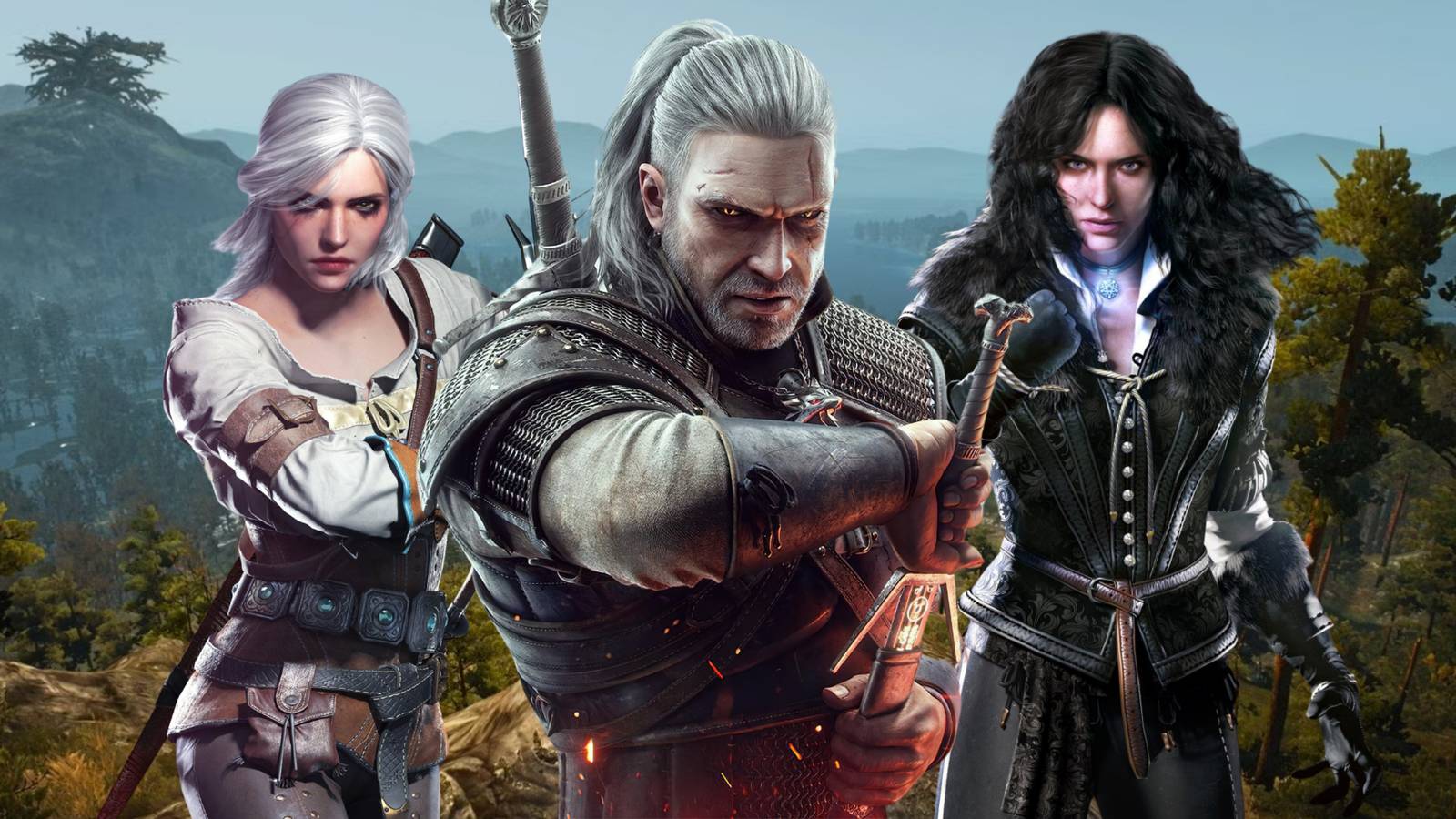
There are times when certain games mark a change in the industry. They push the video game to its limits, introduce new mechanics and features, and actually raise the bar for everything that follows. The Witcher 3: Wild Hunt is one of these games for many reasons, and it changed what people expected from their open world RPGs.
8 Witcher 3 Times That Prove Exploration Has Always Been The Game’s Biggest Strength
The continent is huge and allows you to go almost anywhere. Here are some moments in The Witcher 3 that prove to test its immense power.
I’m far from alone in the opinion that The Witcher 3 changed RPGs for the better. Because of its attention to detail and improving every aspect of the game to make everything better, it changed what RPGs were capable of, and challenged others to rise to it. Here are some ways it has changed RPGs for the better.
10
Reactive Open-World
The World Changes With Your Choice

Open world games became a huge trend when The Elder Scrolls V: Skyrim was released, and several other RPGs tried to replicate their open world with varying degrees of success. The Witcher 3 was not only the first to do so, but it marked a change in what is expected of open world games.
The Witcher 3 has a huge open world that changes and responds to your choices. It’s one thing to hear NPCs talking about your actions when you pass by, it’s another to return to the area and find that things have actually changed. Sometimes the NPC in question moves away, sometimes it dies, but every time there is a real impact on the world because of you.
9
Side Quests That Feel Like Main Quests
Everything Feels Important

Love it or hate it, side quests take up a lot of the runtime of most games. Because of their sheer volume, side quests are often completely forgotten and a huge waste of time.
The Witcher 3 respects your time by making every side quest feel meaningful. They’re built around compelling storylines, and often end with a twist of sorts that brings home The Witcher 3’s themes of morality, loss, and the consequences of living in a cruel world. Rewards should be a small part of the incentive to do side quests, and games as a whole are boosted if their side quests include good writing.
8
Combat Informs Storytelling
Silver of Beasts, Iron of Men

What separates witches from humans and the ancient races is genetic mutation, but the underlying part of the separation is simple knowledge. Ciri is not changed in Witcher 3, but she shows the importance of this gap with her experience of fighting werewolves. According to this knowledge, all witches carry two swords: one made of iron, the other made of silver.
These two swords are the symbol of the wizard before anyone can see his eyes or medallion. Having a trademark weapon does a lot of work in making witches a defined party, but it also translates into making combat more interesting. It is a marker of skill and expertise, and a way to mark which group they belong to without the need for words. Approaching combat this way, with different pre-combat preparation methods, makes it more deliberate than simply dodging and hitting hard.
7
Geralt Has a Day Job
You Have A Place On This Earth

Geralt’s day job is so grim and integrated into everything that it’s easy to forget he has one. He is a monster hunter, and tracking down and killing monsters earns him his living.
10 Games With Layered Storytelling
Linear storytelling is limited.
Playing a game where your day job is a real day job is only good if you’re somewhere, but having a real job to earn money that goes beyond the vague label of “traveler” goes a long way to establishing a character and making those side quests interesting. It’s also a reliable system to fall back on if you run out of gold: just check the job board and see if there’s something you need because of your more specialized skill set. This may seem like a great point, but having a narrative-driven premise that shapes the entire game is a lesson to take from The Witcher 3.
6
It sticks to you
What If You Had Chosen Differently?

The best stories are the ones that stay with you long afterward, and one way to do that is to make your stories morally gray. The Witcher 3 has so many examples of this that it would be impossible to list them all, but the Continent is full of people living in terrible conditions and just trying to survive. The sad part is that survival often brings bad, bad things about it, when people do bad things with good intentions or because of the need to survive.
Dettlaff and Olgierd are two examples of this, and it’s hard to reconcile seeing a villain like the Baron be kind and accepting of Ciri when we know he beat his wife late every night. It hits very close to home, as it shows how real people behave, and often the choice we are given is not the solution because it never existed.
5
Monster Ecology
Unrated Dip Tool

Even stories in a fictional world need to make sense, and one of the best ways to do that is to imitate the real world. Ecology is one of the most well thought out areas in real life, and The Witcher 3 does this flawlessly. Each monster takes its place and adapts to its surroundings.
This is the key to stories that keep you focused, as anything that doesn’t make sense makes you stop and question it, something the writers avoid at all costs. Drowning is one of the worst things for a writer, as it makes everything else fall apart.
4
There is no Moral Bar System
Geralt Is Defined By His Decisions

Being able to visually track your character’s behavior using a bar or something similar can be useful in many ways, but The Witcher 3’s approach is also incredibly effective.
10 Video Game Moments That Really Felt Like The End Of An Era For An Entire Generation
Our children of the past cried for heaven after the arrival of these times.
Instead of a moral bar, The Witcher 3 allows character reactions and story outcomes to provide an indication of Geralt’s moral compass. This includes the gray behavior of the situations presented in The Witcher 3, and informs you about Geralt’s behavior as it changes and affects the world around him, leaving you to ultimately decide where his behavior lies after that. This type of storytelling is very noticeable, and a lesson in many RPGs released after The Witcher 3 started.
3
Regional Identity
Historical and Cultural Affairs

The continent is divided into several large countries and regions, and does not have a clean division that is indicated by something like a land transition. The difference between Temeria, Redania, and Cintra is all a matter of culture and politics rather than the landscape suddenly changing and you know you’ve crossed the line.
The biggest indicator of which country you are in is the culture of the people who live there. Even parts of Skellige look very similar to Temeria and Redania, with distinctive symbols, buildings, and spiritual beliefs. Like natural habitats for monsters, this goes a long way in creating and maintaining immersion.
2
Everyone Is Well Written
Side Characters Deserve Attention

Great characters need to shine, but the world is about its characters and ignoring them will make the game suffer. The world of The Witcher 3 is full of characters with motives, dreams, and lives to survive, and this is not limited to its main characters. Side characters face problems with their own solutions, asking Geralt for help but going their own way if you don’t choose to help them.
This is part of why side quests are so compelling and come with consequences that feel real. You need to care about the characters that live in the game world, as well as memorable NPCs like Cerys, Regis, Eskel, and Shani, who are not part of the main class.
1
Mysteries Left Unsolved
It’s OK to Leave Questions Unanswered

Much of The Witcher 3 involves solving mysteries, and hunting monsters can make you feel like a detective at a crime scene most of the time.
A lot of the reason the citizens of The Witcher world are ill-equipped to deal with monsters is due to a lack of knowledge. Monster attacks and simple human violence are caused by curses, and much of Geralt’s work is unraveling the myth of reality. The thing is, not everything has meaning, and that’s okay. Keeping some mystery in the world is important, not only because it gives us more stories to explore, but it also makes the world more interesting.
10 Best CRPGs of All Time
This genre has made history thanks to classic booms like Baldur’s Gate 3 and Pillars of Eternity 2.

- Released
-
May 19, 2015
- The ESRB
-
M for Mature: Use of Alcohol, Blood and Gore, Extreme Violence, Nudity, Strong Language, Strong Sexual Content
- Engine
-
REDengine 3
- Cross-Platform Play
-
yes
- Cross Keep
-
yes