The EU said this would ‘avoid serious and irreversible damage to competition’ in the growing market.
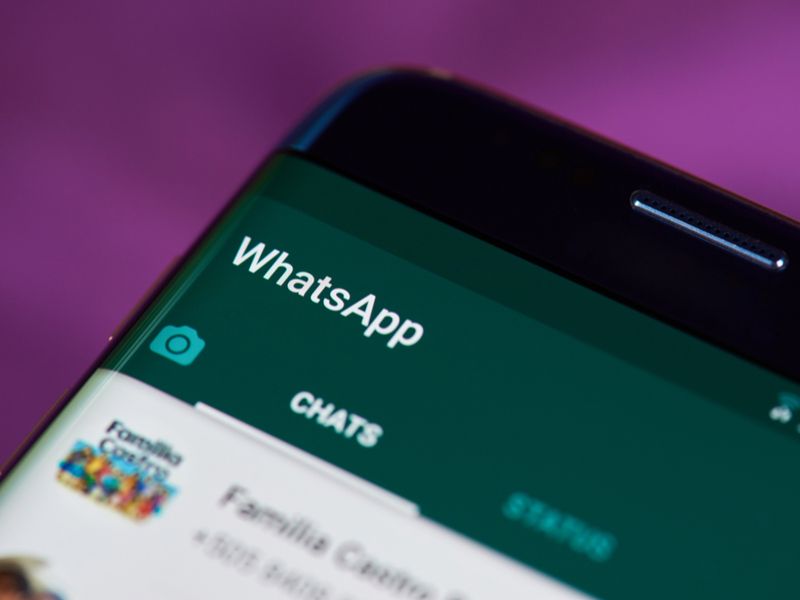
The EU has ordered Meta to open up WhatsApp to compete with AI assistants and maintain access until the Commission completes its antitrust investigation into the social media juggernaut.
The order comes after Meta said last month that it would give competing general-purpose AI agents free access to WhatsApp’s business API for a month. A spokesman at the time told the press that the move “will give the Commission and Meta time to find a quick and fair result in the investigation”.
The EU, however, wants the program to be extended, arguing that this will “prevent serious and irreparable damage to competition in this growing market through Meta’s behavior”.
The measures will remain in place until the end of the investigation, or until June 2029. The company has until Monday next week (15 June) to comply with the changes.
The agency launched its investigation into Meta in December last year after the company, in October, blocked third-party AI providers from accessing their customers through WhatsApp. In February, EU authorities told Meta they had breached the bloc’s antitrust rules.
A month later, Meta reversed course and restored access to WhatsApp to third-party AI assistants – but for a fee, which the Commission ruled was “equivalent to the previous access ban”.
The Commission’s action yesterday (June 9) orders Meta to open access under the terms and conditions that existed before the October ban.
“In rapidly evolving markets, competition can be lost long before a final decision is made,” said Teresa Ribera, senior vice president of clean, fair and competitive reforms.
“That’s why these temporary measures will remain in place during the investigation, to prevent damage that may not be possible to repair.”
“These temporary measures will protect competition in the growing market of AI assistants, by maintaining the main entry point to reach consumers in Europe – WhatsApp – and allowing AI companies to innovate, grow and reach their full potential,” said Ribera.
In its statement yesterday, the EU said Meta – and WhatsApp – held the top position in consumer communication applications in the bloc from at least 2023, a position it was abusing by preventing its Meta AI from competing with third-party agents.
The Commission said that “at first sight”, this meant “refusing to provide improved infrastructure that was open to third parties.”
“There is an urgent need to prevent the risk of serious damage to the competitive structure in the growing market of general-purpose AI assistants.”
For its part, the EU has been coordinating efforts to integrate home-grown AI technology business into the bloc.
Last month, European Parliament lawmakers and member states agreed on a simplified version of the EU AI Law to further the adoption of AI, allowing businesses time to comply with the new law and be able to compete with foreign businesses.
“The change in Meta’s policy risks harming competition at an important time during the development of that market, when small players and new entrants cannot challenge the dominant players,” the Commission said.
This is not the last finding of the EU on this matter. The interim measures are part of an ongoing investigation by Meta.
The social media giant stands to gain up to 10% of its annual global profits if the EU is finally found to have breached antitrust rules under the Treaty on the Functioning of the European Union and the EEA Agreement.
Meta has faced an onslaught of legal issues in the past few months, including two investigations from Ireland’s Coimisiún na Meán about the company’s recommendations and compliance with the Digital Services Act (DSA).
In April, the EU – in a separate investigation – previously found that Instagram and Facebook violated the DSA by failing “due diligence” to identify and reduce the risks that children under 13 face when using these platforms.
In March, a landmark US lawsuit found that the Meta platforms were designed to be addictive to children, while a separate lawsuit concluded the day before found that the Meta platforms allowed the sexual exploitation of children.
Earlier this month, Meta revealed that 20,225 Instagram accounts were hacked in more than a month after bad actors discovered a bug in Meta AI. In a new report, the New York Times found that nearly 34,000 Instagram accounts were affected in the April hack.
Don’t miss out on the information you need to succeed. Sign up for Daily BriefSilicon Republic’s digest of must-know sci-tech news.