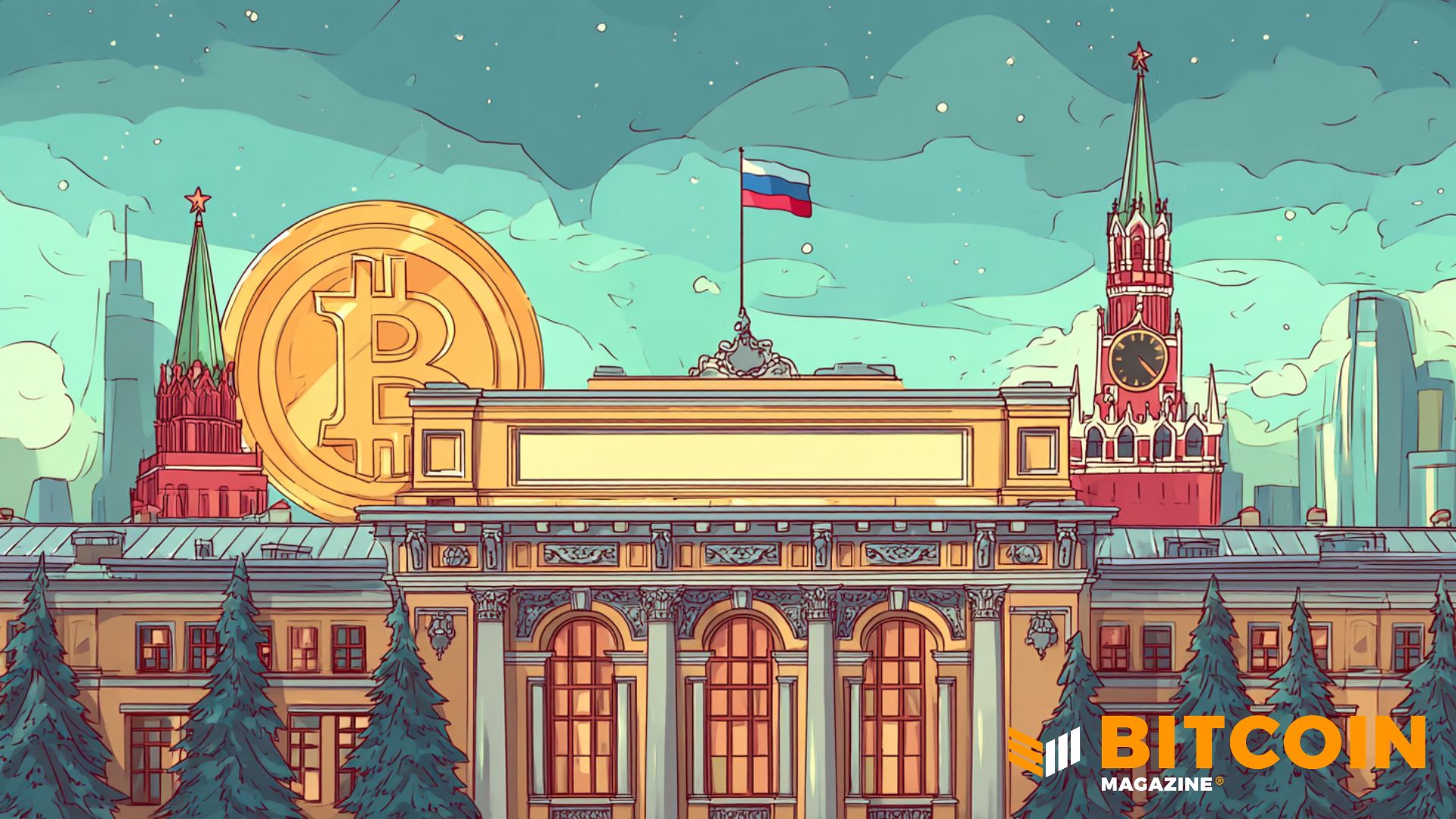
Russia’s central bank is weighing a plan that will allow banks and trading firms to operate cryptocurrency exchanges through a simplified licensing system tied to their existing financial permits, according to Governor Elvira Nabiullina.
Under the proposal, financial institutions could obtain authorization to use crypto trading platforms through a “notification process,” rather than applying for a new independent license.
This approach will allow firms that already have banking or trading licenses to grow into digital asset services using their current regulatory status.
Back in January, Anatoly Aksakov, the head of the State Duma Committee on the Financial Market, noted that Russia was preparing to introduce its first comprehensive regulation of cryptocurrencies such as Bitcoin, lawmakers intend to finalize the draft for a parliamentary vote by the end of June.
Nabiullina presented the idea during a meeting between the central bank and Russian lenders, according to reports from the Interfax news agency.
The governor introduced the proposal as an attempt to integrate cryptocurrency activity into Russia’s existing financial infrastructure.
He pointed out that banks already maintain compliance programs designed to meet money laundering and counter-terrorist financing requirements, which would provide a basis for overseeing digital asset markets.
“We proposed to allow banks and brokers to obtain licenses for crypto exchanges through a notification process and act as intermediaries based on their current banking licenses,” said Nabiullina, adding that existing industry compliance frameworks can help protect customers entering the crypto market.
The central bank also introduced restrictions designed to manage financial risks during the initial stages of consolidation.
Under the proposal, banks’ exposure to cryptocurrency transactions will be capped at 1% of their capital.
Nabiullina said regulators plan to monitor how facilities operate within that boundary before considering any expansion.
“Let’s start by seeing how the banks are working at the rate of one percent, and then we’ll see if we need to move forward,” he said.
The license proposal is part of a broader effort by the Central Bank of Russia and the Ministry of Finance of the Russian Federation to establish a clear legal framework for digital assets in the country.
In late 2025, the central bank sent a regulatory proposal to the Russian government that would legally recognize cryptocurrencies and stablecoins as financial assets that can be bought and sold through regulated intermediaries. The framework will allow trading by exchanges, brokers and trustees operating under existing financial licenses.
Crypto for home payments
At the same time, this proposal maintains a strict ban on the use of cryptocurrencies in domestic payments, a position the central bank has held for years. Digital assets will serve as investment tools instead of national currency alternatives.
A draft law reflecting this concept is expected to reach the State Duma during the spring legislative session. Deputy Finance Minister Ivan Chebeskov indicated that lawmakers could review the bill as early as March, with the main regulatory framework coming into force on July 1, 2026.
The proposed rules would also introduce a tiered system that regulates who can access crypto markets.
Eligible investors will not face restrictions on purchases. Unqualified investors will be limited to buying up to 300,000 rubles, or about 3,800 dollars, in crypto assets each year through a single intermediary.
Russia revised the definition of “qualified investor” last year. Individuals may now qualify based on several criteria, including a master’s degree in finance, an annual income of at least 20 million rubles, or meeting property ownership limits set by regulators.
Those wealth requirements are set to increase in 2026, when the property limit rises from 12 million rubles to 24 million rubles.