Scalping continues to plague major sporting events… But fans are apparently willing to pay thousands for those tickets.

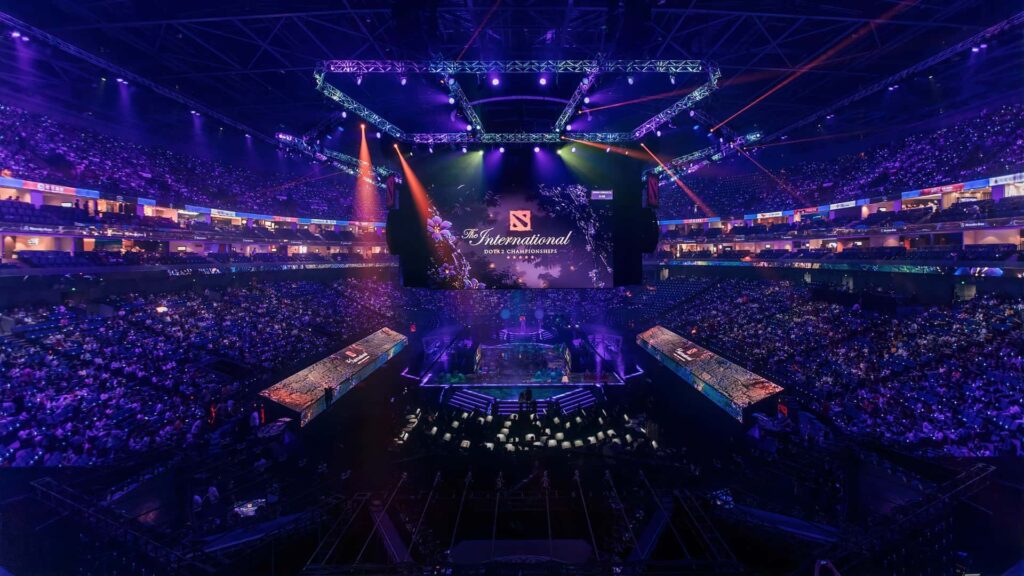
If you’ve spent any time trying to buy tickets to a premier esports event lately, chances are you’ve got some serious, very aggressive feelings about ticket prices.
The public mood right now is a mixture of complete exhaustion and pure anger. Over on Reddit, the thread “IEM Cologne Major: Flights Booked. Hotel Booked. No Ticket. Meet Here” has become their support group.
But as painful as it is to watch tickets disappear into the digital ether within thirty seconds, there is a happy side to this chaos. Michael Decker recently pointed out in his analysis of Esports Business that although the scalping situation is very painful for the average fan, it actually highlights something incredibly promising about the entire nature of competitive sports.
It proves, without a doubt, that the raw demand for a sports gaming experience is reaching big levels of traditional games.
Dota 2 Shanghai Heartbreak
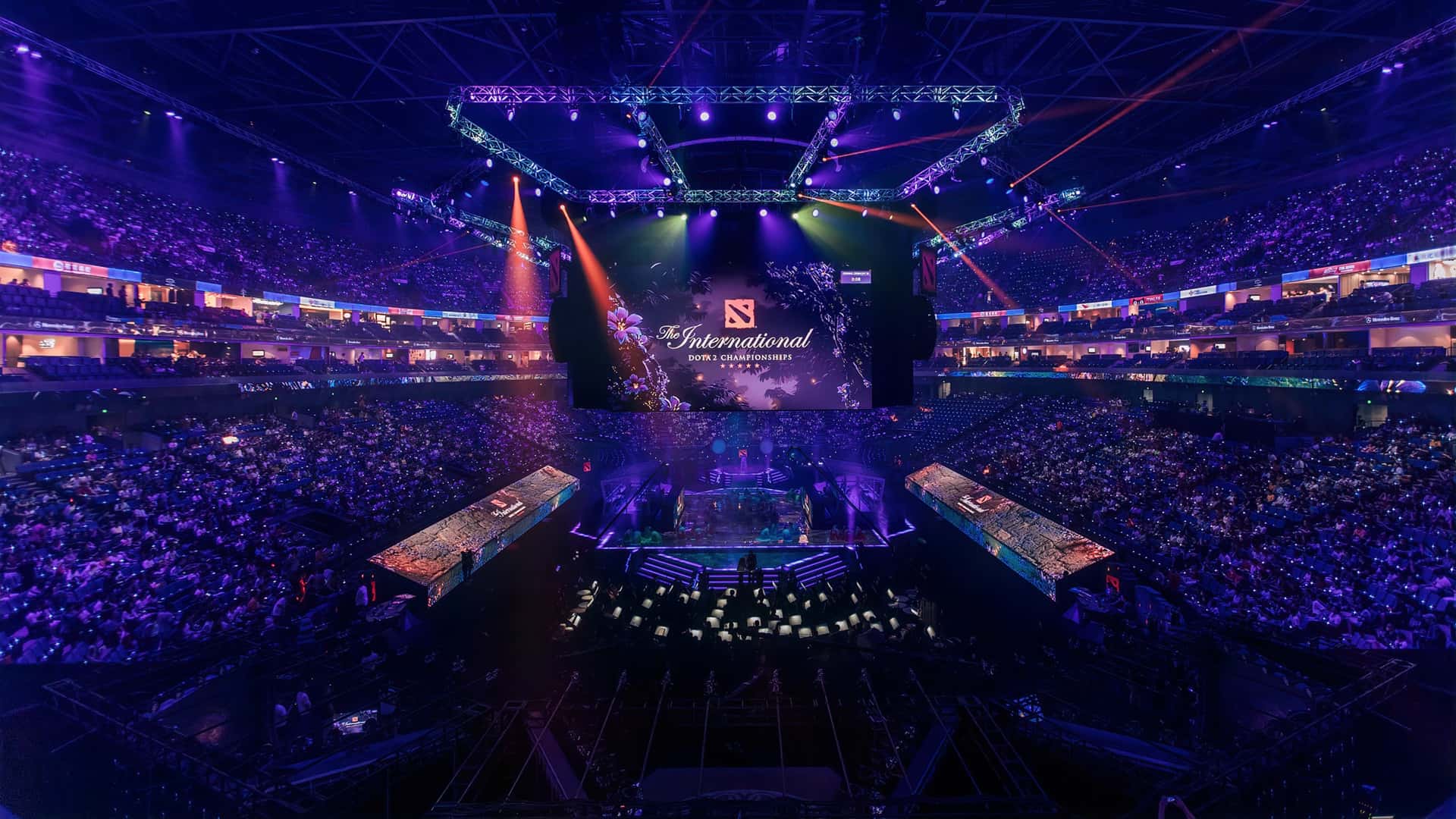
To understand how high the stakes have become, you only have to look at the total meltdown surrounding the International 2026 in Shanghai. One long-time Dota player shared the brutal breakdown of their attempt to grab tickets, and it sounds pretty dystopian. But hey, we live in the times of Pokémon cheaters.
This man set alarms for 7:00 AM in Europe, armed himself and his spouse with three phones, and tried. all of them official channel, including Damai and Perfect World. The result? Quick sale. Meanwhile, the Shanghai Oriental Sports Center holds about 18,000 people, which is much larger than the venue used for TI 2024 in Copenhagen.
So… What gives? Scalpers.
A Redditor wrote: “Many Chinese fans still miss TI 2019 in Shanghai. That ticket sale was also heavily criticized because ordinary fans struggled to buy tickets while scalpers appeared quickly with many tickets.”
“Now, seven years later, it feels like the same thing is happening again.”
Soon after the official tickets sold out, scalpers quickly posted them on apps like Ferris Wheel, listing weekend packages for more than $1,400. Worse, some sellers say they can bypass strong real-name ID verification systems, leading fans to wonder if the system has intentional loopholes or an internal share that completely bypasses the public.
It leaves a bitter taste, making true fans feel unlike members of the popular community and like cash cows. Some in the answers even wondered if corruption exists. Others asked Valve for an explanation.
The OP concluded: “Most of us refuse to buy scalper tickets. If we can’t get tickets properly, maybe fans should organize pubstomps and watch together near the venue instead.”
Counter-Strike Contrast
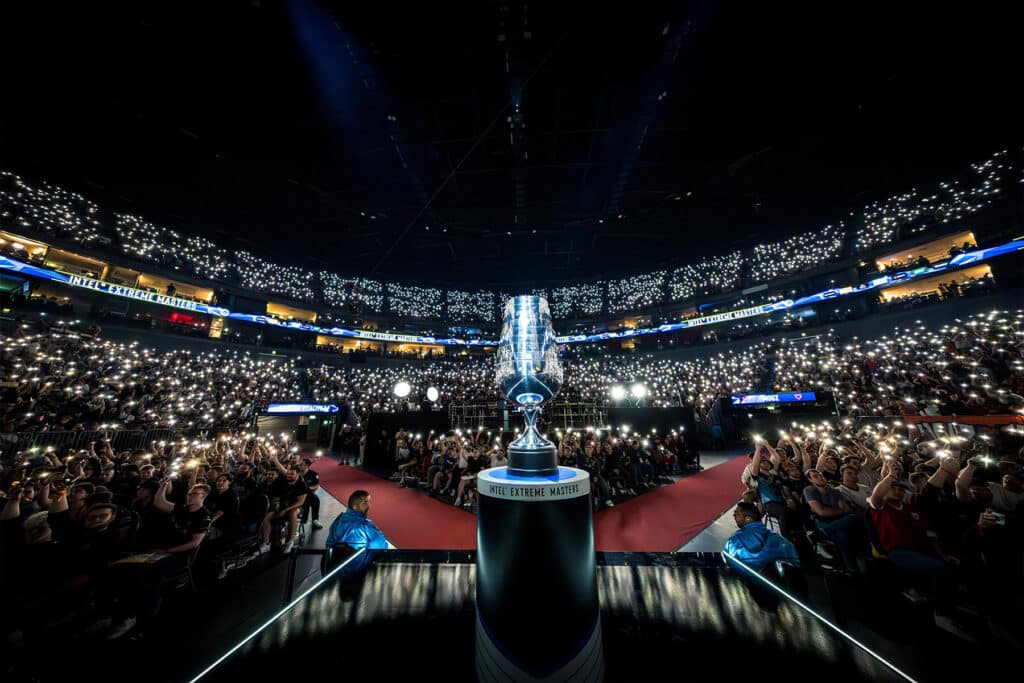
While Dota fans organize local viewing parties out of pure protest, Counter-Strike proves that fans are actually willing to shell out historic amounts of money when a product hits the right notes.
The IEM Cologne Major sold out its venue in December, six months before the event. What makes this worse is that the organizer of ESL FACEIT Group has taken a huge gamble by increasing the ticket prices. Some sections literally doubled. The top seat near the stage went up to somewhere around $1,160.
The fans complained loudly, but the stadium immediately removed all of its merchandise. Even with the event underway, ESL’s official ticketing platform was drawing an impressive 25,000 visits per day.
For a long time, the biggest question mark in the esports industry was monetization. Competitive games have historically struggled to convert their online viewership numbers into reliable, real-world revenue. The FGC recently refused to pay $10 per pay-per-view event, continuing the problem with broadcasts that do not benefit the esports scene.
Historically, events have relied on cheap tickets, merchandise sales have been low, and major broadcast rights deals have never materialized as expected.
However, the scalper problem and the insane secondary market saturation show that top-tier esports events are no longer just niche gatherings. They are a premium entertainment product. When tens of thousands of people fight for a stadium seat, or hunt for a sold-out stadium 25,000 times a day, it tells us that the audience appreciates that just as much as a regular football game or a stadium tour by a pop star.
I mean, most people wouldn’t even pay $1,000 for an Ariana Grande ticket, show just how dedicated and passionate esports fans really are.
The editor’s challenge going forward is not to find an audience; fixes the gate. If publishers and tournament operators can figure out how to weed out the bots and ensure that those premium ticket dollars flow back into the ecosystem rather than into a scalper’s pocket, the financial future of esports looks brighter than ever.