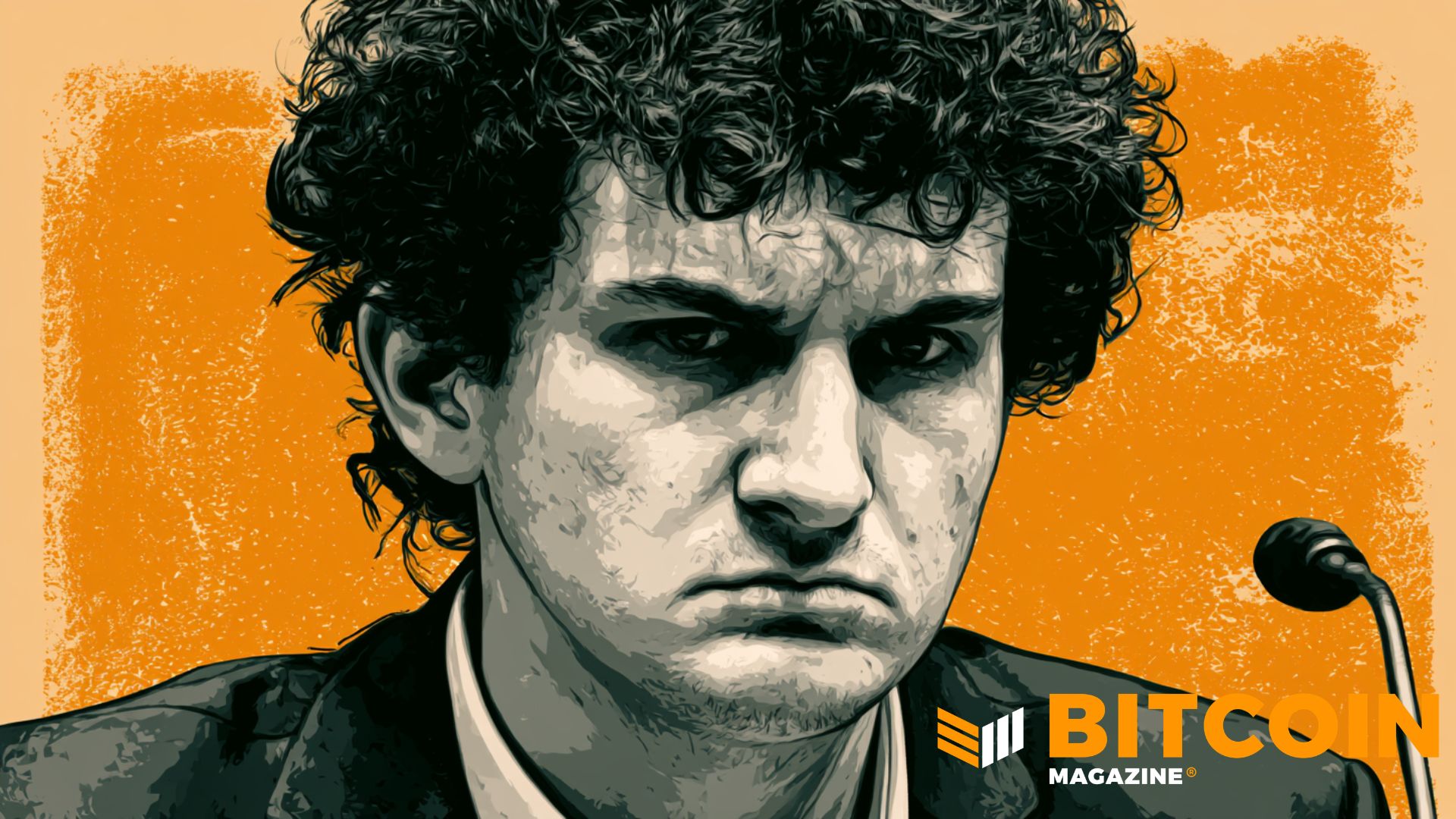
One of Sam Bankman-Fried’s last credible avenues to freedom was closed Friday as an appeals court upheld his conviction for fraud and a 25-year prison sentence, ruling that the case against him was, in the words of the court, “strong.”
A three-judge panel of the Manhattan-based Second Circuit Court of Appeals issued a 42-page opinion on June 12, rejecting all arguments advanced by Sam Bankman-Fried’s legal team to overturn the November 2023 sentencing that cemented the biggest financial crash in crypto history, according to Reuters.
At the heart of the appeal was the claim that US District Judge Lewis Kaplan had deprived Sam Bankman-Fried of a fair trial by preventing evidence that FTX held sufficient assets to cover customer withdrawals.
Defense attorney Alexandra Shapiro told the appeals panel in November 2025 that “Mr. Bankman-Fried’s case was unfair because the jury got one side of the story.”
Prosecutors argued that Kaplan’s decision was correct: fraud cases depend on misappropriation, not on whether the assets could cover the debts under different circumstances. The appellate panel agreed, finding the trial court’s rulings sound and the federal case against Sam Bankman-Fried overwhelming.
How FTX falls
The exchange, once worth $32 billion, collapsed in November 2022 when it was revealed that the balance sheet of Alameda Research – Bankman-Fried’s hedge fund – was built on the FTX exchange token instead of private assets. The disclosure created a customer gap of $8 billion in FTX’s accounts.
Three of Bankman-Fried’s former deputies — Alameda CEO Caroline Ellison, FTX founder Gary Wang, and engineering chief Nishad Singh — each pleaded guilty and testified against him. Ellison, the trial’s star witness, told jurors Bankman-Fried ordered her to convert money deposited by Alameda customers to pay back loans to crypto lenders. “Sam ordered me to do these crimes,” he said standing up.
The court ordered $11 billion in restitution and three years of supervised release following Bankman-Fried’s sentencing in March 2024. Ellison received two years and was released in January 2026 after serving 14 months.
The appeals court’s ruling came just weeks after Bankman-Fried filed a clemency petition with the DOJ’s office of the Pardon Attorney, seeking a presidential pardon from Donald Trump. The request is written as a “post-sentence apology” — not a commutation — and Trump has publicly said he won’t grant it.
Judge Kaplan denied a new Rule 33 motion in April 2026, calling Bankman-Fried’s claim that witnesses were intimidated by the government “conspiracy and completely contrary to the record.” Bankman-Fried withdrew an earlier version of that proposal on April 22 without prejudice.
With the 2nd Circuit now deadlocked, his legal options boil down to a habeas petition — a route with a lower success rate than direct appeals — or an appeal to the Supreme Court.
What’s next for Sam Bankman-Fried
Sam Bankman-Fried lives in a minimum-security federal prison near Santa Barbara, California, and is not eligible for parole until 2044.
In a jailhouse interview with Fox Business this month, he maintained his position: “I didn’t steal users’ money.” He revealed that the FTX bankruptcy estate was acquiring crypto assets, which allowed the estate to pay creditors more than 100 cents on the dollar – a figure he cited as evidence that FTX could pay its debts, although courts at all levels have rejected that claim.
Friday’s ruling closes a chapter in what federal prosecutors call “mass fraud” — a case that shook institutional confidence in crypto markets, sparked congressional hearings, and forced exchanges across the industry to overhaul proof-of-custody procedures.
Back in January, President Donald Trump said he would not pardon former FTX CEO Sam Bankman-Fried, refusing to grant clemency to a convicted crypto executive.